%20(7%20x%205%20in)_edited_pn.png)
Understanding Treatment-Resistant Depression and Your Path to Healing

If you have tried antidepressants, therapy, or lifestyle changes and still feel stuck, you might be facing treatment-resistant depression. This condition can feel overwhelming and discouraging, but it does not mean you have failed or that healing is impossible. Understanding what treatment-resistant depression is and exploring new options can open the door to recovery.

What Is Treatment-Resistant Depression?
Treatment-resistant depression happens when symptoms continue despite trying at least two different standard antidepressant treatments. This means that common approaches like medications or talk therapy have not provided enough relief. People with this condition often describe feeling exhausted, hopeless, or stuck in a cycle of trying and failing to feel better.
Depression is a brain-based condition. Sometimes, the usual treatments do not work because the brain needs a different kind of support. This does not reflect a personal failure but rather the complexity of how depression affects the brain.
Why Standard Treatments May Not Work
Standard antidepressants typically target certain brain chemicals like serotonin or norepinephrine. For many people, these medications help balance mood and reduce symptoms. However, in treatment-resistant depression, the brain’s pathways may not respond to these medications as expected.
Other factors can also play a role, such as:
Differences in brain chemistry or structure
Co-existing medical or mental health conditions
Genetic factors affecting medication metabolism
Chronic stress or trauma history
Because of these complexities, people with treatment-resistant depression need approaches that work differently from standard treatments.
Advanced Treatment Options That Make a Difference
If you have not found relief through traditional care, there are advanced treatments designed to target different brain pathways. These options can help restore healthy brain function and improve symptoms.
Transcranial Magnetic Stimulation (TMS)
TMS uses magnetic pulses to stimulate specific areas of the brain involved in mood regulation. It is a non-invasive procedure that does not require anesthesia. Many patients experience improvement after a few weeks of treatment.
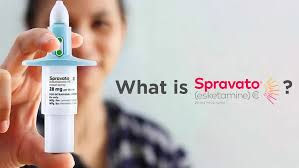
Spravato® (Esketamine)
Spravato® is a nasal spray medication that works on the brain’s glutamate system, which is different from traditional antidepressants. It is used under medical supervision and can provide rapid relief for some people.
Ketamine Therapy
Ketamine, originally developed as an anesthetic, has shown promise in treating depression that does not respond to other treatments. Administered in controlled settings, ketamine can quickly reduce symptoms and improve mood.
These treatments are not one-size-fits-all, but they offer hope for those who have struggled with standard options.
Taking the Next Step Toward Healing
If you are still struggling with depression, it is important to remember you are not out of options. Understanding your condition is the first step toward finding the right care. Here are some practical steps to consider:
Talk openly with your healthcare provider about your symptoms and treatment history.
Ask about advanced treatment options like TMS, Spravato®, or ketamine therapy.
Seek care from specialists who focus on treatment-resistant depression.
Consider lifestyle factors such as sleep, nutrition, and exercise as part of a comprehensive plan.
Stay connected with support networks including friends, family, or support groups.
Healing from treatment-resistant depression often requires patience and persistence, but new treatments are making recovery possible for many people.

Your journey toward healing may take time, but you are not alone. Exploring new treatment options and working with experienced providers can help you find relief and regain hope. If you have tried standard treatments without success, consider reaching out to a specialist who understands treatment-resistant depression and can guide you toward the care you deserve.


Comments